


Get_Ready_Bell:Client_Pulse sounds like a signal, and that is exactly why it works as a retention idea. In high-value businesses, clients rarely leave out of nowhere; the warning signs were usually there first.
That is where Get_Ready_Bell:Client_Pulse becomes useful. It reframes retention as something you monitor, interpret, and act on before frustration turns into churn. For agencies, consultants, SaaS teams, and premium service brands, that shift protects both revenue and reputation.
Retention matters because keeping the right clients is often more profitable than constantly replacing them. Bain has reported that increasing customer retention by 5% can raise profits by 25% to 95%, which helps explain why smarter retention systems get executive attention.
Why retention has become a growth priority
Winning new business is expensive. You need outreach, proposals, negotiation, onboarding, and usually a lot of patience. When a current client renews, expands, or refers someone else, the business grows in a steadier, healthier way.
That is why retention is no longer a quiet support metric. It is a growth metric tied to lifetime value, recurring revenue, trust, and brand reputation.
In real client-facing operations, churn is rarely caused by one dramatic event. More often, it builds through slow replies, unresolved friction, bland communication, and missed emotional cues. However, teams often spot those issues only when the renewal is already in danger. That delay is costly.
What Get_Ready_Bell:Client_Pulse means in practice
The easiest way to understand the concept is to see it as a retention intelligence layer. It is less about collecting random activity and more about reading the relationship clearly: who is thriving, who is drifting, and who needs human attention right now.
A clear working definition
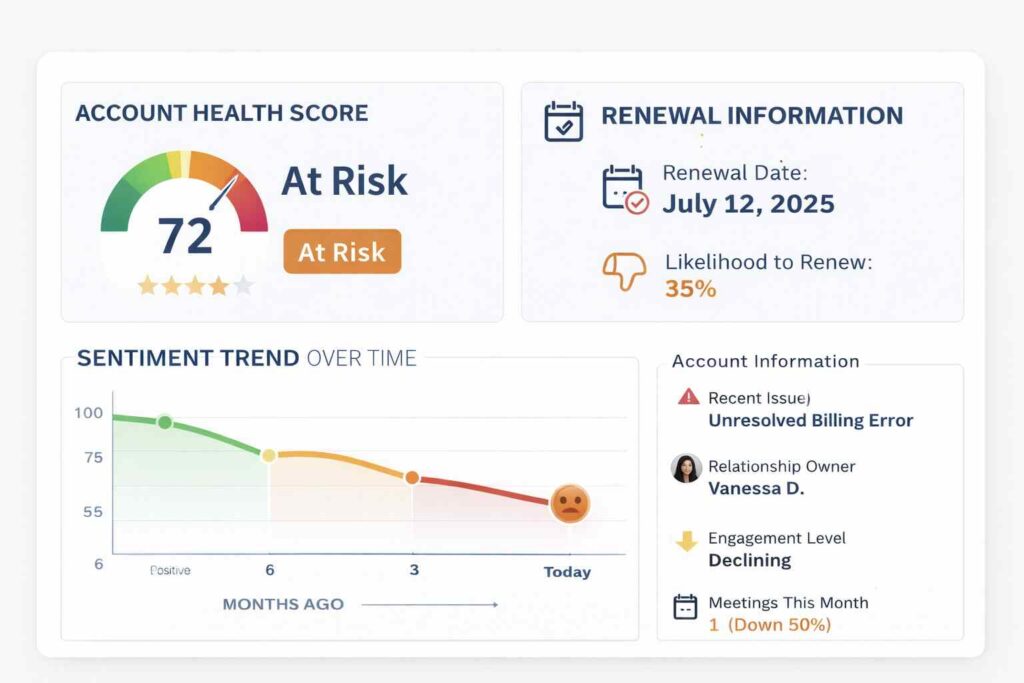
In practical terms, the framework tracks relationship health through signals such as response speed, meeting engagement, support friction, renewal timing, service satisfaction, and expansion readiness. That makes account decisions less reactive and far less guessy.
Why this feels different from a basic CRM
A traditional CRM may tell you what happened. Get_Ready_Bell:Client_Pulse helps teams interpret what those actions mean. A missed meeting is not always a problem, but in the wrong context it can be an early sign of disengagement.
| Retention challenge | Old approach | Better response |
|---|---|---|
| Client goes quiet | Wait and hope | Flag the silence early |
| Notes are scattered | Search inboxes and sheets | Centralize context |
| Renewal risk is unclear | Rely on instinct | Review health signals |
| Outreach feels generic | Send the same message to all | Personalize by need |
That distinction matters more than many companies realize. A spreadsheet can log contact dates. A smart retention system, on the other hand, helps you understand momentum, urgency, and client sentiment. One stores activity. The other improves judgment.
How Get_Ready_Bell:Client_Pulse helps reduce churn
Imagine a boutique agency with 30 retained clients. One of its best accounts starts replying more slowly, delays approvals, and sounds unusually flat during review calls. None of those moments alone seems dramatic. Together, though, they tell a story.
With the platform, that story becomes visible sooner. The account lead can step in with a better conversation, fix service friction, and remind the client why the relationship is worth keeping. That kind of timely intervention often matters more than any last-minute discount.
The strongest teams usually focus on a few core actions:
- define the signals that matter
- review at-risk accounts weekly
- assign an owner to each recovery plan
- personalize outreach instead of automating everything
- document what changed after intervention
The human side of the system
Data can point to risk, but only people rebuild confidence. A thoughtful message, an honest apology, a revised timeline, or a sharper strategy session can rescue a relationship that a dashboard alone never could. This is where the tool supports judgment instead of replacing it.
On the other hand, teams that over-automate retention often create the exact problem they hoped to avoid. Generic check-ins feel cold. Scripted empathy sounds fake. Clients notice the difference. The best use of this framework is not robotic efficiency; it is better timing, better context, and more human conversations.
The signals elite account managers watch
Not every unhappy client complains loudly. Some simply become colder, slower, and less engaged. That is why strong retention teams watch for patterns, not isolated events.
Common signals include lower reply rates, weaker meeting participation, more unresolved issues, softer enthusiasm during reviews, reduced usage, and tension near renewal windows. When several appear together, they deserve attention.

For elite service teams, this creates a real competitive edge. Instead of reacting when a client is halfway out the door, they can intervene while trust is still recoverable. In practice, that can mean a faster executive follow-up, a service correction, a clearer roadmap, or simply a conversation that makes the client feel heard again.
Conclusion
Client retention is rarely lost in one loud moment. More often, it fades through small missed signals and delayed responses. Get_Ready_Bell:Client_Pulse matters because it helps teams notice those signals earlier, respond with more care, and create the kind of loyalty premium clients remember.
Also Read: Janitor AI: The Ultimate Beginner’s Guide to Smart Chatbots
FAQ
What is this framework really about?
It is about spotting relationship risk early enough to act with precision instead of panic.
Who benefits most from this kind of system?
Agencies, consultants, customer success teams, subscription businesses, and high-touch service firms benefit the most.
Can it replace human relationship management?
No. It improves prioritization and visibility, but trust is still built by real people.
Is it only useful for churn prevention?
Not at all. Strong retention systems also support renewals, referrals, upsells, and a better client experience.
What should a team measure first?
Start with a small set: response time, engagement quality, unresolved issues, usage or delivery adoption, and renewal timing.
