
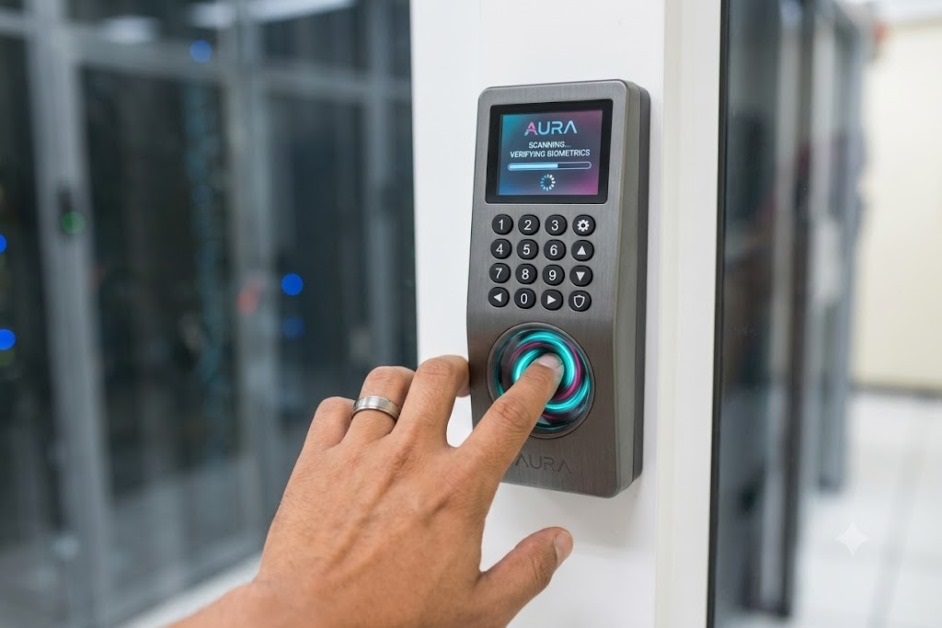
The way we manage entry to buildings and facilities has changed dramatically over the past decade. Digital systems have replaced traditional lock-and-key methods, and the shift toward smarter, more connected infrastructure is accelerating across industries.
The Limitations of Traditional Access Systems
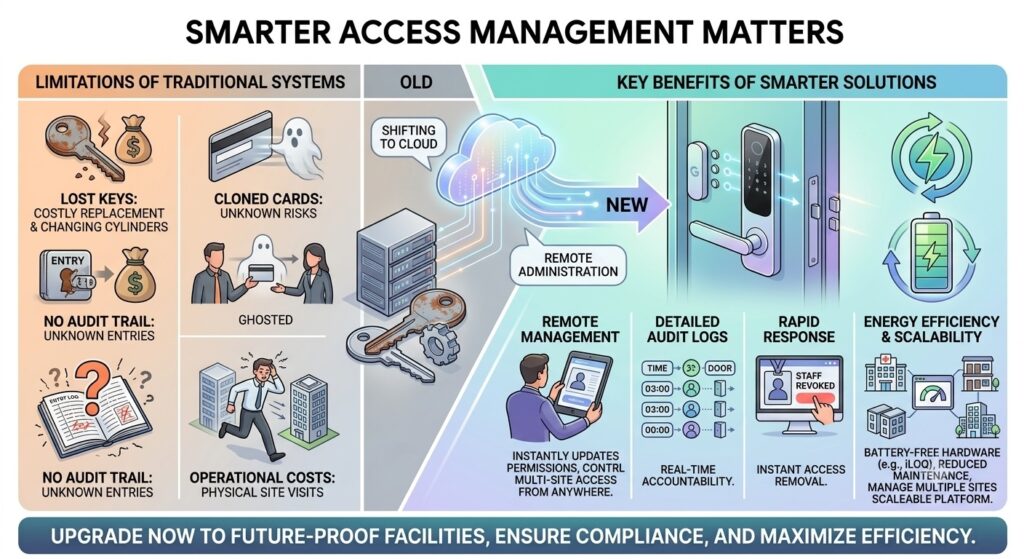
For years, organisations relied on mechanical keys and basic card readers to manage who could enter specific areas. While these systems worked adequately in simpler times, they come with significant drawbacks. Lost keys require costly replacements and often mean changing entire lock cylinders. Access cards can be cloned or passed between users without detection. There is also no reliable audit trail, making it difficult to know exactly who entered a space and when.
Managing access across multiple buildings or sites adds another layer of complexity. Administrators must physically visit locations to update permissions or respond to security incidents. This creates delays and increases operational costs, particularly for organisations with large or distributed property portfolios.
Why Smarter Access Management Matters
Modern facilities demand a more flexible and responsive approach to security. Whether it is a hospital managing staff access to sensitive areas, a property manager overseeing dozens of rental units, or a corporate office with rotating contractors, the ability to control access remotely and in real time is increasingly essential.
This is where Cloud based access control offers a compelling solution. Rather than depending on on-site servers or hardware-heavy infrastructure, cloud-based systems allow administrators to manage permissions, monitor activity and respond to incidents from any internet-connected device. Changes take effect immediately, reducing the window of vulnerability when staff leave or access needs to be revoked.
For organisations like iLOQ, this approach also eliminates the need for batteries or external power in the locking hardware itself. That combination of digital intelligence and energy efficiency sets a new standard for what access control can achieve in practice.
Also Read: What Is Cloud Computing? How It Works, Types, and Benefits
Key Benefits for Facilities and Property Managers
Adopting a cloud-connected access solution brings practical advantages that go beyond convenience. Some of the most notable include:
- Remote management of access rights without on-site visits
- Detailed audit logs showing entry and exit activity across all access points
- Rapid response to lost credentials or personnel changes
- Scalability across multiple locations from a single platform
- Reduced reliance on physical hardware and ongoing maintenance costs
These benefits make a strong case for upgrading legacy systems, particularly in sectors where security compliance and accountability are critical.
As buildings become more connected and security expectations continue to rise, the gap between traditional access methods and intelligent digital solutions will only widen. Organisations that embrace this shift now will be better positioned to manage their facilities efficiently, securely and at scale well into the future.
Final Verdict
Upgrading to cloud access control is not a luxury, but a vital necessity for modern facility management. Transitioning from legacy systems ensures maximum security, remote scalability, and operational efficiency, effectively future proofing your organization against evolving compliance and maintenance demands.
