

A dramatic headline can make an unfamiliar file collection sound like an established security emergency. Before reacting to thejavasea.me leaks aio-tlp370, start with a simpler question: what evidence supports the story?
Public articles discuss this label, but discussion alone does not authenticate an archive or identify affected people. This guide separates reported claims from established cybersecurity guidance, explains the terminology, and gives you practical next steps. It reviews public reporting and official resources; it does not claim to have examined the alleged files.
What Does the Name Actually Tell You?
The phrase combines a domain, the word “leaks,” and an identifier: AIO-TLP370. Those elements provide a search label, not a verified description of an incident.
Some coverage describes software material, while other reporting questions whether the identifier represents a confirmed event. The name itself cannot settle that disagreement. Neither a technical abbreviation nor a release number establishes ownership, authenticity, or permission to distribute information.
Avoid expanding the abbreviation or assigning meaning to “370” without documentation from an accountable source. A convincing explanation still needs evidence behind it.
What Can Readers Actually Verify?
Techy Flavors describes source code and configuration material associated with the label. Tycoonstory presents a more cautious assessment, emphasizing unresolved questions about the package. These articles demonstrate differing editorial claims, not independent authentication of the underlying files.
This review did not establish a confirmed victim organization, independently authenticated contents, or a reliable affected-person count. That does not prove the allegation false; it limits what can responsibly be stated.
Before treating any headline as a confirmed data breach, ask:
- Does an affected organization acknowledge the incident?
- Is there an attributable investigation or regulatory notice?
- Does the evidence identify when exposure occurred?
- Are several reports independently sourced, rather than repeating one account?
Do not confuse an article’s publication date with the date information was taken.
Read the references rather than counting headlines. A useful report explains its methods, distinguishes direct observations from outside allegations, and acknowledges limitations. If several pages cite the same anonymous statement, you still have one underlying claim, not several independent confirmations. That simple check can prevent unnecessary alarm.
Is TLP370 an Official Security Classification?
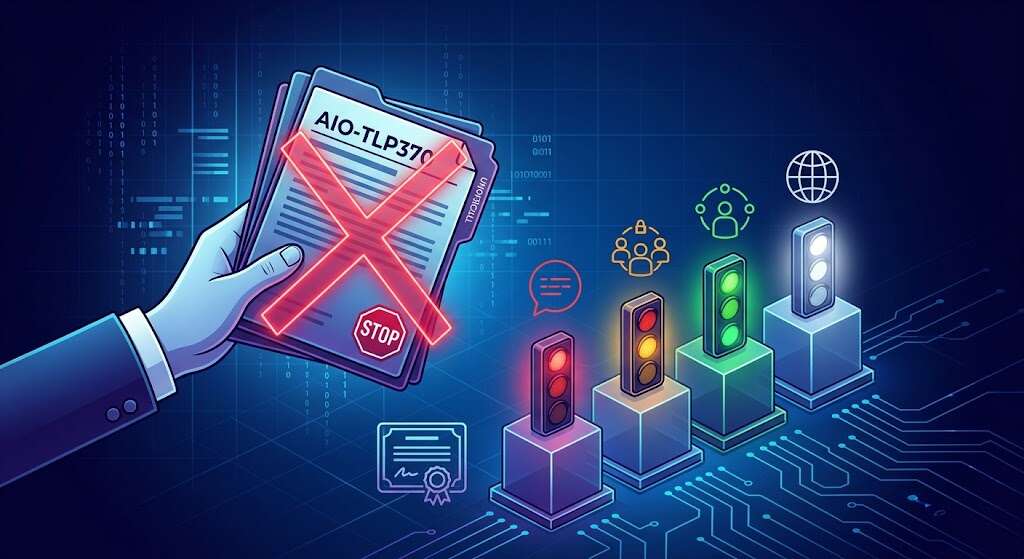
No. FIRST’s Traffic Light Protocol defines information-sharing boundaries using four labels, not numbered severity levels:
- TLP:RED: Disclosure is limited to the individual recipients.
- TLP:AMBER: Sharing is restricted to those who need it within recipients’ organizations and their clients.
- TLP:GREEN: Sharing is permitted within the relevant community, not through public channels.
- TLP:CLEAR: The information can be shared publicly, subject to applicable release rules.
FIRST also specifies TLP:AMBER+STRICT when sharing must stay within the recipient’s organization. None of these markings authenticates a dataset, grants ownership, or certifies that a download is safe.
Consequently, describing AIO-TLP370 as an official “TLP level 370” would misrepresent the standard. The identifier needs its own documented explanation.
Why Uncertain Claims Still Deserve Attention
Unverified attribution does not automatically make exposed information harmless. Have I Been Pwned explains that collections with fabricated attribution can still contain real personal information gathered elsewhere.
The practical concern is how information could be misused, not how impressive a package name sounds. Reused passwords create opportunities for credential stuffing: attempting an exposed login combination against other services. Personalized phishing attacks can also exploit details that make an unexpected message appear familiar.
These are general risks, not confirmation that this particular package contains passwords or targets your accounts. Keep that distinction clear when sharing warnings with colleagues or family.
Your Practical Account Protection Checklist
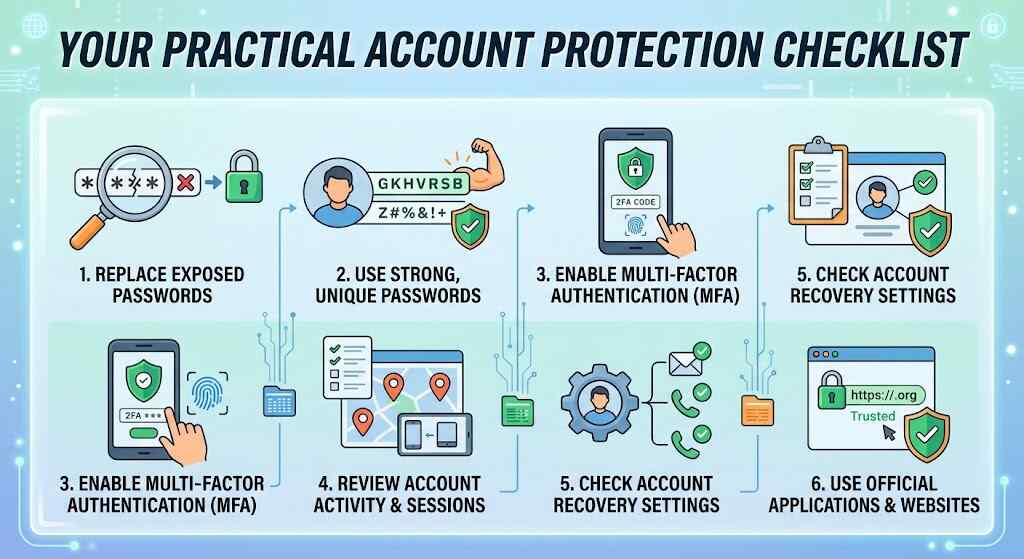
You can strengthen your accounts without obtaining questionable files. CISA recommends strong passwords, a password manager, and multi-factor authentication to reduce the risk of unauthorized access.
Start with these manageable steps:
- Replace a password known to be exposed, including anywhere you reused it.
- Give each account a different, strong password.
- Enable additional login protection wherever available.
- Review unfamiliar sessions and your account recovery settings.
- Open services through their official applications or independently entered addresses.
- Report suspicious activity through the provider’s established support process.
For an exposure check, use a reputable service such as Have I Been Pwned rather than downloading an alleged collection. Its FAQ explains that a missing result cannot establish that an address has never been compromised: its records cover only part of the wider picture.
Treat monitoring as one useful signal, not a complete security clearance.
Technical Investigation: Turning Claims Into Evidence
Establish Provenance Before Drawing Conclusions

For an authorized security team, incident response should begin with documented questions: where did the allegation originate, who supplied the evidence, and what connects it to your systems?
A filename is not provenance. A SHA-256 checksum can help determine whether two files are identical, but it cannot establish that their contents are truthful or legitimately obtained. Keep observations separate from interpretations throughout the investigation.
Correlate With Internal Activity
Use external threat intelligence as a lead, then compare it with your own authentication events, administrative changes, endpoint records, and relevant application logs. Align timestamps and retain the original time-zone context before constructing a timeline.
CISA’s response playbook recommends collecting and preserving relevant evidence across networks and endpoints, with documented handling procedures. Preserve useful records before routine retention policies erase them.
For each finding, record the affected account, relevant event identifier, collection time, investigator, and reason for escalation. Distinguish a successful login from a failed attempt; they support different conclusions. A matching email address alone does not demonstrate that your infrastructure was accessed.
Contain Confirmed Exposure
If evidence identifies exposed API keys or other authentication secrets, involve their owners, revoke compromised access, and issue appropriately restricted replacements. Check dependent services before declaring recovery complete.
Verify that revoked secrets actually fail authentication, replacement credentials have only the required permissions, and relevant alerts are working. Recovery is a tested state, not simply the moment someone changes a password. Document those checks for later review.
Do not announce organization-wide compromise merely because a brand name appears online. Communicate what is known, what remains uncertain, and which protective actions have actually been completed.
Conclusion
The useful approach to thejavasea.me leaks aio-tlp370 is neither panic nor blind dismissal. Separate the online label from authenticated evidence, understand the real sharing standard, and take sensible protective action. Choose trustworthy information over dramatic promises: stronger accounts and a documented investigation offer more value than chasing an unverified download.
Frequently Asked Questions
Does HTTPS prove a download is trustworthy?
No. HTTPS protects the connection, not the honesty of a website. Chromium explicitly warns that its connection indicator does not establish website safety.
Why might sensitive exposure results require email verification?
Have I Been Pwned restricts sensitive results to verified address owners, helping prevent public searches from revealing sensitive associations.
Will Google removal erase the original information?
No. Removing a search result does not remove the source page. Google explains that the underlying content can remain online.
Should you publish a screenshot to warn others?
Share a redacted summary instead. Remove personal identifiers, authentication details, and unrelated private conversations; send necessary evidence privately to authorized responders.
What if someone demands payment for removal?
Treat the message as suspected extortion. Preserve it, avoid supplying additional personal details, and contact the appropriate cybercrime reporting service. The FBI discourages ransom payments.
