

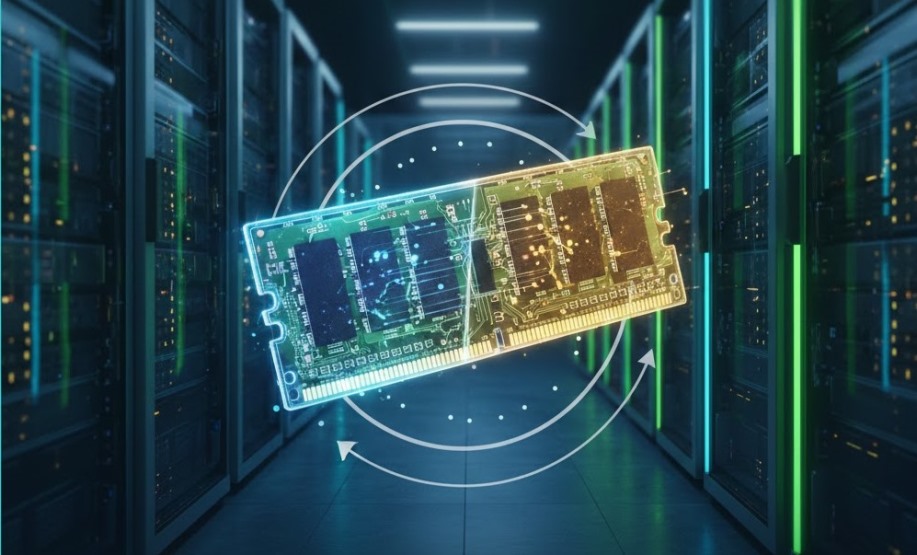
Enterprises are facing growing challenges in managing their IT assets responsibly. From servers to storage, every hardware component contributes to both performance and sustainability goals. Among these, Random Access Memory (RAM) is often overlooked once upgrades occur or systems are decommissioned. Yet, used RAM has become an unexpected focal point in enterprise asset management strategies.
In the early days of data center expansion, enterprises replaced memory modules frequently to keep up with higher workloads. Most of the old components ended up in storage rooms or electronic waste. That habit is changing fast. Companies now recognize that how they manage and sell RAM can make a tangible difference in their bottom line and sustainability record.
- A Shift Toward Smarter Hardware Recovery
- Hidden Value Inside Retired Systems
- The Role of Professional ITAD Partners
- Evolving Market for Refurbished Components
- Conclusion
A Shift Toward Smarter Hardware Recovery
Gone are the days when old memory modules were treated as disposable. Many businesses now audit their hardware recovery processes more closely. This shift stems from the need to balance financial efficiency and responsible technology disposal. Every component, including RAM, holds potential resale or reuse value.
What has sparked this reconsideration is the broader movement toward IT asset disposition (ITAD). Rather than viewing retired components as waste, enterprises are seeing them as part of a circular economy. Proper refurbishment, data sanitization, and resale allow organizations to extract more value from existing hardware investments.
Hidden Value Inside Retired Systems
When servers reach the end of their life cycle, the memory inside them is often still functional. Enterprises that discard these modules miss opportunities to recover capital. The resale market for used enterprise-grade RAM is more active than many realize. Businesses upgrading to newer systems often need compatible components for legacy hardware, creating demand for refurbished memory.
Companies that adopt structured asset recovery programs can offset upgrade costs significantly. Instead of adding to electronic waste, they turn unused hardware into revenue streams. In some cases, these savings fund new infrastructure projects or sustainability initiatives.
The Role of Professional ITAD Partners
Many enterprises lack the internal expertise or time to handle retired components securely. This is where specialized IT asset disposition providers step in. These firms help businesses manage the full lifecycle of their hardware assets, including testing, auditing, and remarketing of used memory and processors.
A reliable partner ensures compliance with data destruction standards and environmental regulations. More importantly, professional ITAD services help companies identify the right buyers, maintain fair pricing, and track recovered value through transparent reporting. This approach preserves brand reputation and streamlines the process of recouping investment from old hardware.
Benefits of Partnering with an ITAD Specialist
- Data security assurance: Certified data wiping and handling protocols safeguard sensitive information.
- Environmental compliance: Proper recycling prevents hazardous material leaks into the environment.
- Value recovery: Tested and graded components are sold back into secondary markets for maximum return.
- Convenience: Enterprises save time while ensuring responsible disposal practices.
Also Read: How to Recover Photos from an SD Card After Accidental Deletion
Evolving Market for Refurbished Components
The secondary market for IT components has matured considerably. Buyers now expect certified testing, warranties, and traceable sourcing. Enterprises that sell used hardware through professional channels can achieve higher resale values. Moreover, the process helps maintain supply for businesses that rely on older systems for specific workloads.
As global supply chains face unpredictability, refurbished memory modules fill critical gaps for companies unable to procure new hardware quickly. This growing demand keeps used RAM valuable well beyond its initial lifecycle. Organizations that learn to sell RAM responsibly and strategically gain both financial and reputational advantages in a competitive market.
Conclusion
The reevaluation of used RAM management is more than a trend; it is a fundamental shift toward a high-performance, circular IT economy. By treating decommissioned memory as a financial asset rather than a disposal headache, your organization can simultaneously hit aggressive ESG targets and recover significant capital.
Don’t let your retired hardware gather dust and lose value. To turn your surplus into a competitive advantage, take these immediate next steps:
- Conduct a Hardware Audit: Quantify exactly what is sitting in storage or slated for decommissioning.
- Identify a Certified ITAD Partner: Ensure they offer transparent reporting and data sanitization that meets enterprise standards.
- Integrate Recovery into your Lifecycle: Make asset remarketing a standard part of every hardware refresh.
Ready to unlock the hidden value in your data center? Start by auditing your current inventory today and see how much capital your used RAM can return to your bottom line.
