

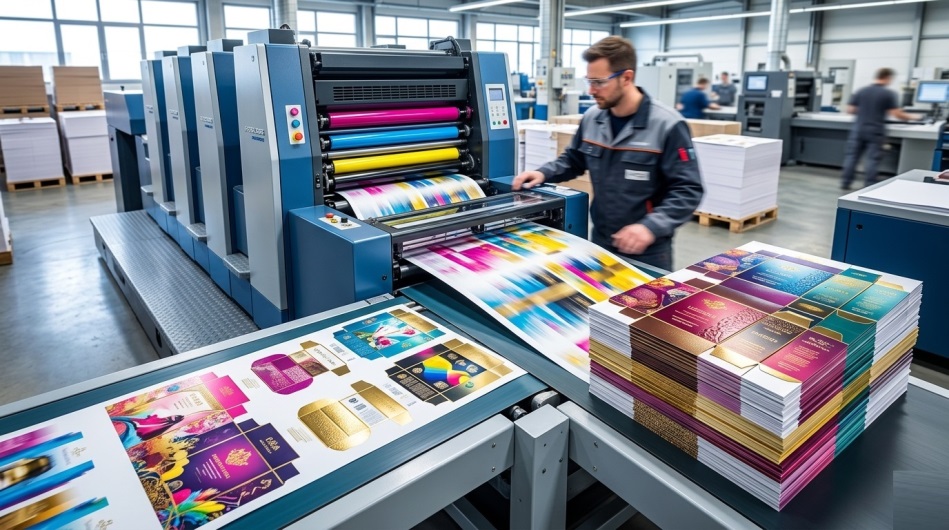
Presentation, when it comes to consumer packaging, is everything. Brands are always pushing for that eye-catching visual impact on crowded shelves, a challenge that leaves manufacturers turning to offset printing machines as their practical solution for stunning results. It’s not surprising: these workhorses can churn out thousands of sheets per hour and somehow keep details precise, with registration tolerances so small you could blink and miss the difference. In the real world, mastering this indirect method of printing is more than just a technical feat. It’s the secret handshake for building consumer trust, making every box or bag match up visually, time after time.
Busy packaging plants know the value of advanced technology. The process feels a bit like a relay race, moving images through several hands for perfection. If you’re curious about the nuts and bolts, the core process behind offset printing machines begins with an aluminium plate that’s chemically prepared. This plate, acting almost like a chef’s pan in a kitchen, attracts greasy ink to the image spots while clean water pushes that ink away from blank areas. The result is a sharp, neat print with no smudges, something packaging designers and printers chase after relentlessly.
There’s a compelling reason why Comexi and other industry leaders keep finding new ways to innovate in this space. By the way, when one talks about flawless visual results at high speed, few solutions compare for packaging converters. And such machines bring to life naturally more intricate and vibrant designs, like sprawling labels or multi-coloured graphics. All thanks to the fact that, before being inked onto the box or package, the image is first transferred to a soft rubber blanket before being stamped onto paperboard or other material. This may seem like a roundabout way of doing things, but it is a stroke of genius: the ink is transferred with the perfect amount of pressure, even on weird textures.
Actually, this indirect method is almost like using a rolling pin on dough, smoothing out imperfections, whether the surface is clean or bumpy. The rubber blanket in this comparison acts a bit like a skilled pastry chef, ensuring every detail prints as intended. That’s why so many packaging types, flexible or rigid, owe their final look to offset technology.
How offset lithography solves complex packaging challenges
While many may picture giant presses whirring away in massive plants, the clever chemistry at work is still essential. Offset lithography makes use of a plate, ink, and water dance, forcing ink only where it’s wanted. Opposing forces like oil and water might remind you of a never-ending rivalry, but here, their antagonism actually brings about glorious, mess-free designs. That’s a small, everyday miracle for manufacturers and designers alike.
The mechanics behind the print
Here’s something interesting: the image isn’t printed directly but is handed off to the trusty rubber blanket first. Whether you’re working with sturdy paperboard or the more delicate flexible packaging material, this approach provides a layer of quality control, like a final check before showtime. By bouncing the print off the blanket, tiny defects in the base often vanish, and edges end up remarkably crisp.
Why is the rubber blanket essential for packaging?
Without it, those fancier packages, full of texture, shine, or odd shapes, would be nightmares to print neatly. It adapts to each unique surface, supporting sharp details where a direct press might smudge or blur them.
Achieving visual precision and colour consistency
Let’s talk about something that truly sets offset equipment apart: its ability to crank out complex, multi-colour designs consistently across enormous print runs. Getting things to line up, colour atop colour, is no casual trick. Some presses, like those refined by Comexi, are engineered for astonishingly tight alignment, ±0.1 to ±0.15 mm. That’s finer than a human hair, really. If you’ve ever admired a vividly branded package, chances are the uniformity you saw came from this painstaking process.
Meeting strict industry standards
Printers also have to meet demanding standards. Hitting the sweet spot for colour, covering up to 80% of Pantone’s colourful rainbow, means they follow strict rules, such as those from Fogra or ISO 12647-2. These guidelines, almost like playbooks for elite teams, dictate the best ink recipes, paper choices, and process controls. Adhering to them is essential for top-level, repeatable results, it’s partly why brands trust their products to the process, year in and year out.
- Continuous compliance with established benchmarks ensures each batch looks as sharp as the last.
- Technical advice from seasoned partners, including Comexi, often becomes invaluable for meeting buyer demands.
- Well-defined print settings, from humidity to ink amount, are part of daily routines that keep presses reliable.
Balancing production speed with cost efficiency
Of course, setting up for a run takes effort and some upfront cash, making the printing plates isn’t instant or cheap. But there’s a catch: the more copies you print, the lower each one costs. This makes offset unexpectedly economical for big jobs. Longevity also matters; with good care, one plate can last anywhere from 50,000 to 500,000 prints, which is kind of amazing in a world that loves to talk about planned obsolescence.
What plate lifespan can manufacturers expect?
In the day-to-day reality of factories, this durability is a genuine advantage, press operators rarely have to swap out plates on massive jobs, saving both headaches and money down the road.
Offset Printing Machines and Sustainability
Sustainability has become a decisive factor in the evolution of offset printing machines, especially within high-quality packaging production. Modern offset presses are increasingly designed to minimize waste, reduce energy consumption, and optimize ink usage through precise calibration and automation. Waterless offset technologies and eco-friendly inks further contribute to lowering environmental impact while maintaining exceptional print fidelity. Additionally, the durability and long lifecycle of offset equipment make it a resource-efficient investment compared to shorter-lived alternatives.
At the same time, manufacturers are integrating closed-loop systems and advanced controls to ensure consistent output with fewer materials. This balance between performance and responsibility is critical as brands face growing pressure to meet environmental standards without compromising visual appeal.
So, while new technologies continue to appear, and expectations for sustainability grow ever louder, relying on proven offset presses matters more than ever for brands seeking commercial success. In the end, combining expertise, trusted equipment, and that all-important eye for detail is how packaging gets noticed where it counts: right in the hands of everyday shoppers.
