

Effective property maintenance is more critical to a property management company’s success than simply buying or renting out properties. From replacing taps that leak to ensuring heating and cooling systems work correctly, maintenance is the backbone of a landlord’s long-term profitability.
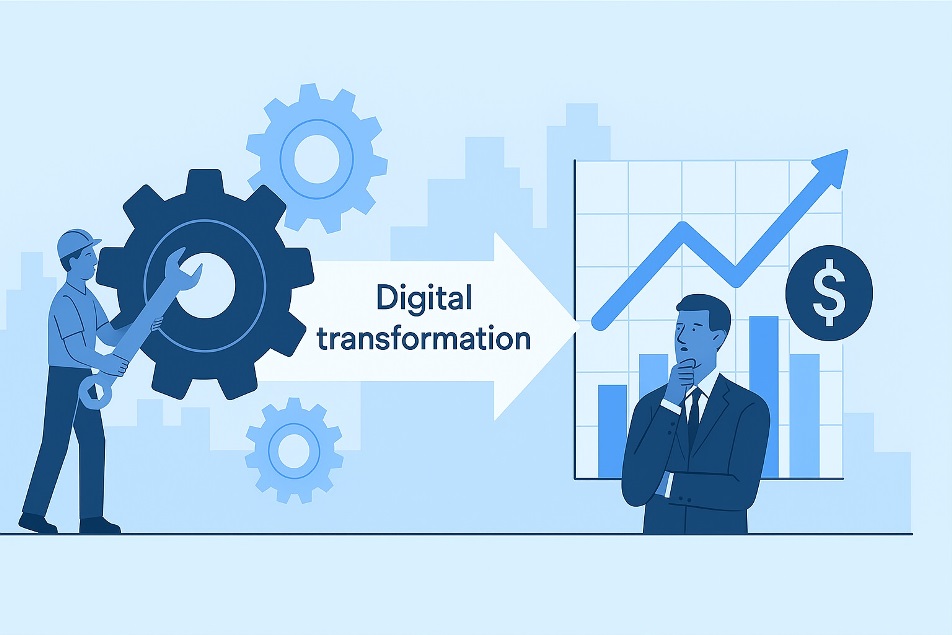
Property management maintenance tools can help with this by transforming time-consuming repair procedures into seamless digital operations. Let’s be honest: using spreadsheets, paper logs, or phone calls to track maintenance is no longer an effective method. Managers need more intelligent, real-time solutions that combine everything under one digital roof in today’s hectic real estate market. Modern maintenance solutions help you stay organized, minimize downtime, and enhance communication among management, maintenance personnel, and renters.
Streamlining Maintenance Workflows
The shift from manual to digital maintenance management is changing how property managers work. Maintenance software enables teams to create, assign, and track work orders quickly. You can record, prioritize, and track every operation in real-time, from a leaking pipe to a broken elevator.
These tools consolidate information, which eliminates any misunderstandings that frequently result from scattered communication. Managers can view the status of all active and completed tasks, thus ensuring that nothing falls through the gaps. In the meantime, maintenance technicians are promptly notified via mobile devices, which allows them to update the status of tasks on the move and upload images or notes directly into the system.
This efficiency reduces downtime, enhances accountability, and keeps properties well-maintained, which eliminates the hassles of manual paperwork and communication gaps.
Leveraging Data for Smarter Decisions
One crucial benefit of employing property management maintenance software is access to real-time data and performance indicators. Managers can track the frequency of repairs, the expenses associated with each task, the average response time, and current maintenance issues across multiple properties.
These analytics reveal patterns, which enable managers to enhance their decision-making process. For example, the data might indicate the need for infrastructure upgrades rather than temporary solutions if a building repeatedly encounters plumbing problems. Likewise, insights into response times can help determine whether there is a need for additional resources or staff training.
By understanding these patterns, property managers can transition from reactive to proactive maintenance, which in turn reduces costs, extends the lifespan of assets, and helps avoid unexpected breakdowns.
Enhancing Tenant Communication and Satisfaction
One of the primary reasons for tenant dissatisfaction is the delay in maintenance. Digital maintenance systems effectively tackle this problem by enhancing communication and transparency. Tenants are not required to make frequent follow-ups, as they can submit their requests directly through the system and receive updates on the progress.
This real-time engagement enhances the tenant experience while encouraging trust. Conversely, property managers gain considerable advantages by maintaining centralized records of all maintenance activities, which allows for easy reference in future quality assessments or compliance audits. This streamlined approach leads to quicker issue resolution, fewer complaints, and improved resident retention, key indicators of an efficient and successful property management operation.
Also Read: Rapid Web App Development: Stack, Workflow & Best Practices
Scalable and Future-Ready Operations
Maintaining consistency across different locations becomes increasingly challenging as property portfolios expand. AI-driven, cloud-based maintenance systems support the growth of operations by leveraging predictive analytics and IoT sensor data. The solution provides a consistent viewpoint for all maintenance activities, regardless of whether you manage a few hundred or hundreds of assets, by employing a digital twin model that allows for real-time remote diagnostics and optimized resource deployment.
Preventive maintenance is regularly managed thanks to the automation capabilities, which include automated reminder notifications and scheduled maintenance tasks. Furthermore, total productivity and operational efficiency increase through the integration of other organizational systems, such as accounting or facility management software. This adaptability enables businesses to remain agile and responsive in an ever-evolving real estate market, thus allowing them to grow without compromising quality or efficiency.
From Reactive Fixing to Proactive Profit
Digital maintenance tools shift focus from temporary fixes to strategic planning. Predictive data insights enable proactive infrastructure upgrades and scheduled maintenance, significantly reducing emergency costs, extending asset life, and protecting long-term profitability.
Conclusion
Adopting digital maintenance platforms is vital for operational excellence. These contemporary technologies enhance tenant satisfaction, enable data-driven decisions, and streamline processes. By centralizing tracking, managers ensure minimal inconvenience, enhance accountability, and protect asset value, ensuring a reliable foundation for long-term success.
