

In 2025, technology is no longer about status or style, it’s about quality of life. Focus versus chaos, freedom versus routine, self-care versus career burnout—modern gadgets allow us to find a balance between necessity and comfort, taking work and life to entirely new levels. So, which inventions were in highest demand this year, and what exactly do they offer the average person? We conducted a detailed study to find out.
Smartphones with On-Device AI
By 2025, leading market analysts project that more than 60% of new smartphones will be released with built-in AI assistants. The iPhone Pro series with this feature continues to show strong adoption over the simplified versions. The same applies to Samsung and Pixel phones—Android enthusiasts offer a worthy alternative to Apple software. All this points to one thing: AI is no longer just a feature for the sake of it; it is actually being used, and its areas of application will only expand from year to year.
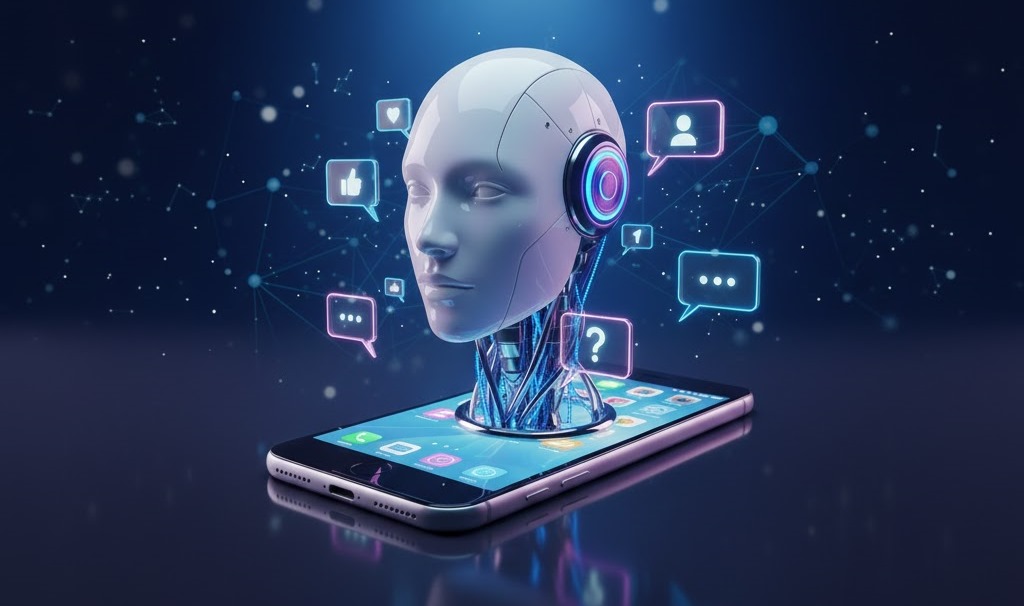
Once upon a time, the ultimate dream was to have work and games in a free $100 casino chip no deposit right in our pockets. Today’s smartphones have surpassed even that. Now it’s a personal assistant that organises work and daily life. Sorting messages, suggesting quick replies, processing photos and videos, instantly planning tasks and even shopping based on preferences—the phone is capable of solving a lot of routine issues, taking some of the load off the owner.
Smart Mobile Workstations
When talking about working on the go, it is worth mentioning gadgets that make it possible to perform tasks anywhere. We are talking about laptops with AI-accelerated processes and portable monitors. In 2025, such laptops, in particular Apple Silicon, are estimated to account for more than 50% of all Mac sales, replacing Intel models. At the same time, sales of lightweight and mobile monitors have shown an impressive growth trajectory, rising by an estimated 40%. Taken together, this tells us one thing: people are buying entire ecosystems for working outside the office.

The pandemic was the catalyst for this trend. Employees have gone remote and don’t want to return to the office. And why should they, when today a designer, analyst or programmer’s office fits into a backpack and can be set up in two minutes in a café, on a train, or even in the countryside? With such a setup, people gain the freedom to move around and work from anywhere in the world.
Also Read: The Smart Home Gadgets That Actually Save You Money
Power Stations & Fast Chargers
Only one thing could limit such freedom: the lack of a power outlet. But even here, modern technology provides a comprehensive solution. From 2022 to today, the market for portable charging stations has seen accelerating demand, with industry projections indicating the sector has more than doubled in size, and the fast charging option is simply a must-have in absolutely any device. Energy must now be in the pocket, just like a mobile office in a backpack, and replenishing its reserves should take a minimum of time.

It is these technologies that make autonomy a real possibility. The average user may spend half a day at work, but thanks to additional gadgets, they will have enough charge for a few more hours of entertainment or at least an hour of high-performance video games. This seamless access to power defines a new era of personal mobility and life without the traditional restrictions of a fixed desk.
Wireless Noise-Cancelling Headphones
The modern pace of life often makes it difficult to concentrate, especially in the middle of a noisy city. The world is getting louder, and silence is becoming a real luxury. Perhaps that is why a significant majority (an estimated 70%) of premium headphones sold in 2025 have active noise cancellation. Such models maintain high sales volume despite their higher price, and their owners are 30% less likely to change location simply because of noise.
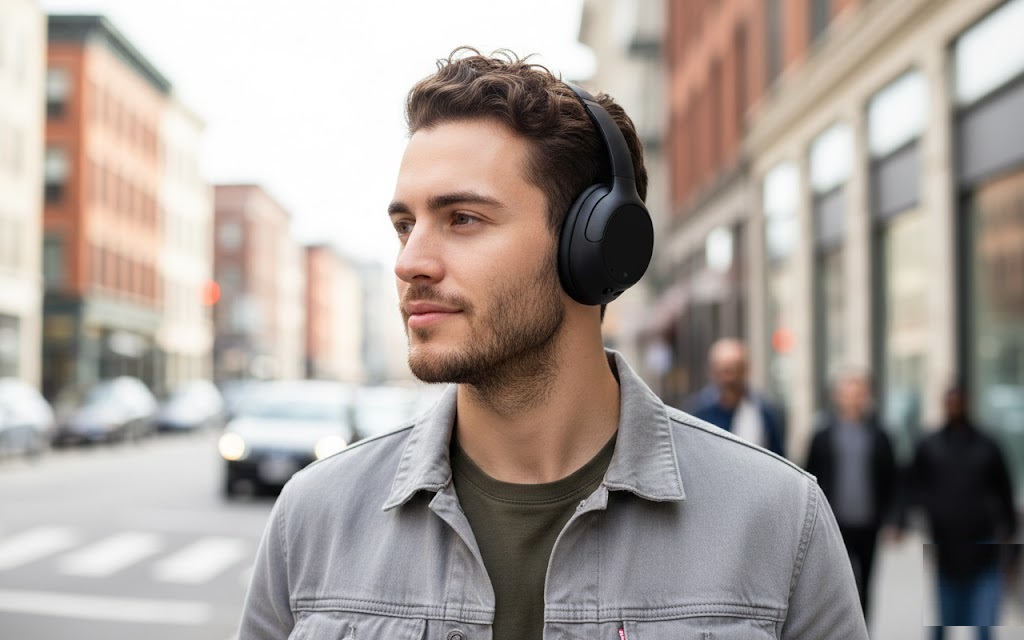
In fact, active noise cancellation is no longer a bonus—it’s a basic necessity. Special technologies make it possible to block out the world around the user, delivering crystal-clear sound during calls and helping them concentrate on details even in the middle of a crowd. And that’s not to mention leisure activities—watching films or listening to music reach a new audio level thanks to isolation from extraneous sounds.
Smartwatches & Health Trackers
The selection of top gadgets is rounded off with technologies that care not so much about mental comfort as physical comfort. Today, one in three smartphone owners has a smartwatch or a basic health tracker. Moreover, according to Apple Watch statistics, more than 65% of their customers regularly check their heart rate and sleep patterns, and active users of this technology are 20% less likely to complain of burnout. These figures are based on internal reports and represent an ongoing trend toward preventative self-care enabled by wearable technology.
People have finally realised that physical health is not a game. Productivity at work and at home is impossible without taking care of the body. And such gadgets give a real chance to stop and take a breath, tracking biorhythms, sleep quality, motor activity and much more. Unobtrusive reminders help optimize the rhythm of life and teach us to work long hours without exhausting ourselves, taking care of what is most important.
