


Search isn’t just “type a query, get ten links” anymore. In 2026, people expect a tool to understand intent, summarize fast, and still show proof you can verify. That’s what a modern AI Search Engine should do: cut the noise without cutting the truth.
This guide ranks the best options for everyday users, creators, students, and professionals—based on real-world usefulness, transparency, and how quickly each one helps you get to a confident answer.
How I ranked each pick
I used four simple standards that matter in real life:
- Accuracy + clarity: does it explain things in simple words?
- Trust signals: are sources, citations, or links easy to check?
- Control: can you refine, compare, and follow up without frustration?
- Speed to decision: does it help you act, not just read?
If a platform can’t support these, it’s not worth your time—no matter how popular it is.
1. Google Search (AI Overviews / AI Mode)
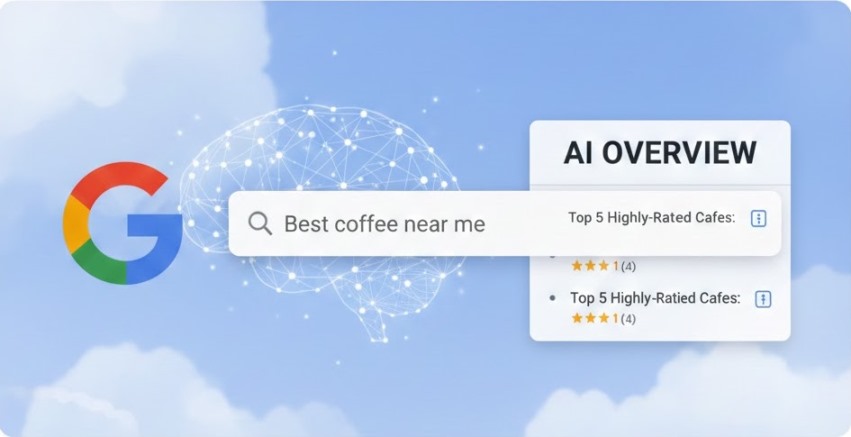
Google remains the #1 choice for most people because it’s still the fastest bridge between curiosity and credible sources. Its AI summaries help you understand a topic quickly, then jump into pages that go deeper.
Best for: broad questions, fast comparisons, shopping research, and local intent
Why it ranks #1: huge index + familiar workflow + quick exploration
Pro tip: use the summary to get oriented, then open 2–3 sources for confirmation
This is why so many users search for google ai search when they want faster answers without changing habits.
2. Perplexity

If you care about proof, Perplexity is built for you. It’s one of the most reliable options when you want direct answers and the sources that back them up. For many users, it feels like the cleanest AI Search Engine for verification-heavy work.
Best for: research, learning, comparisons, and source-backed summaries
Why it ranks #2: smooth “answer + citations” workflow
Pro tip: open citations first, then read the summary—especially for technical or sensitive topics
It’s also a favorite for anyone specifically looking for an ai search engine with citations or an ai search engine for research.
3. ChatGPT Search
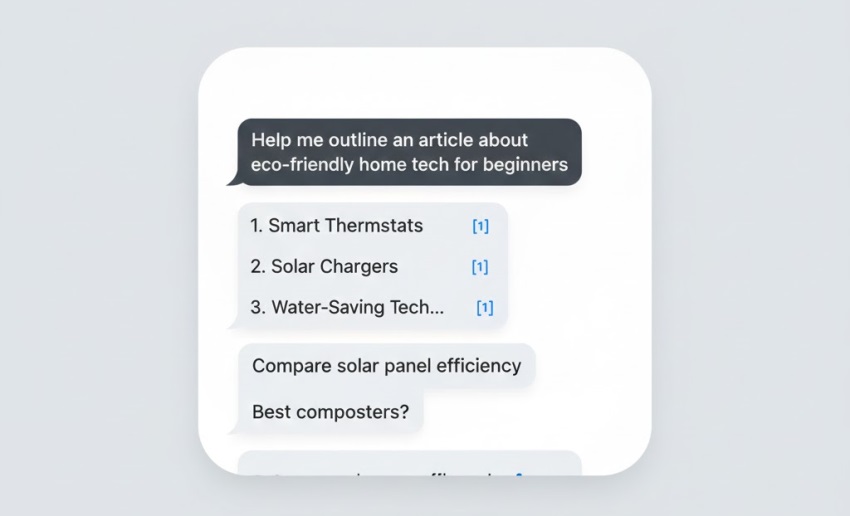
Some days you don’t need a perfect answer—you need help asking the right question. ChatGPT Search is excellent for turning messy thoughts into clear queries, then guiding you through follow-ups like a helpful assistant.
Best for: planning, exploring, learning step-by-step, and making decisions
Why it ranks #3: strongest at conversation and refinement
Pro tip: ask it to list what it’s unsure about or to compare multiple sources before you trust a key claim
Many people still refer to it as a chatgpt search engine because it feels like search and a smart assistant in one place.
4. Bing Copilot Search
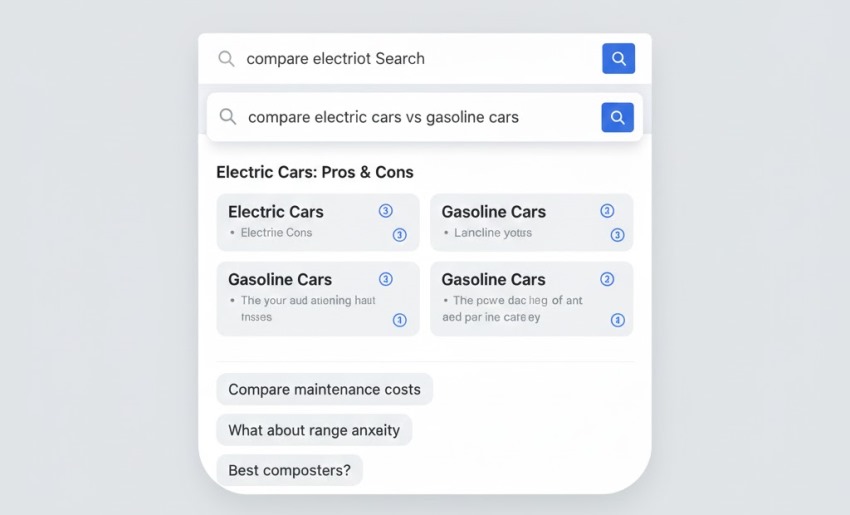
Bing’s Copilot experience is strong for structured summaries—especially if you like information organized into neat sections. It’s also helpful when you want quick suggestions for “what to ask next.”
Best for: skimmable explanations, pros/cons, comparisons, and quick learning
Why it ranks #4: clear layout + helpful query expansion
Pro tip: when the topic is controversial, compare sources across more than one platform
5. Brave Search
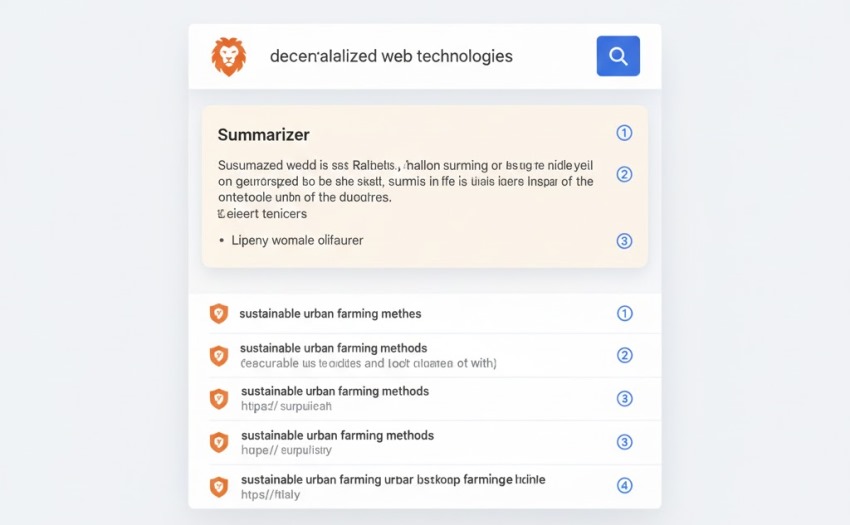
Brave is a good fit if you like the classic search experience but still want quick summarization to reduce time scrolling. It’s a practical middle ground for people who want results-first, with AI support added lightly.
Best for: quick browsing, source discovery, and privacy-oriented searching
Why it ranks #5: search-first workflow with helpful summaries
Pro tip: use it to discover sources, then verify major claims elsewhere
That’s why “brave ai search” is a common lookup for users who want AI help without living inside a chatbot.
Also Read: What Is Perplexity AI? Exploring How It Works
Quick chooser
If you’re choosing one today, here’s the easiest way to decide:
- Want speed + the widest coverage? Go with Google.
- Want research-grade answers with sources? Choose Perplexity.
- Want a tool that helps you think and refine? Use ChatGPT Search.
- Want structured summaries and next-step prompts? Try Bing.
- Want search-first with a lighter AI layer? Brave is solid.
If you’re comparing ai search engine vs google, it usually comes down to this: Google wins for reach and familiarity, while newer tools often win for clarity, summarization, and guided follow-ups.
You’ll also see the phrase ai powered search engine in reviews—just remember: the best one is the one that helps you verify quickly, not the one that sounds the smartest.
What makes the best AI search engines stand out in 2026
The best platforms share the same qualities:
- They show sources clearly
- They avoid confident guessing
- They make it easy to refine queries
- They help you compare viewpoints instead of pushing one answer
- They save time without skipping verification
That’s the direction AI search is moving, and it’s why choosing the right AI Search Engine matters more than ever.
Conclusion
The best AI Search Engine for 2026 is the one that fits your workflow and helps you trust what you’re reading. For everyday speed, Google is still king. For research and citations, Perplexity stands out. For guided exploration and refining messy questions, ChatGPT Search is excellent. Bing and Brave fill valuable roles depending on how you like to browse. Pick one, learn its strengths, and use sources as your safety net—because fast answers are nice, but confident answers are better.
